
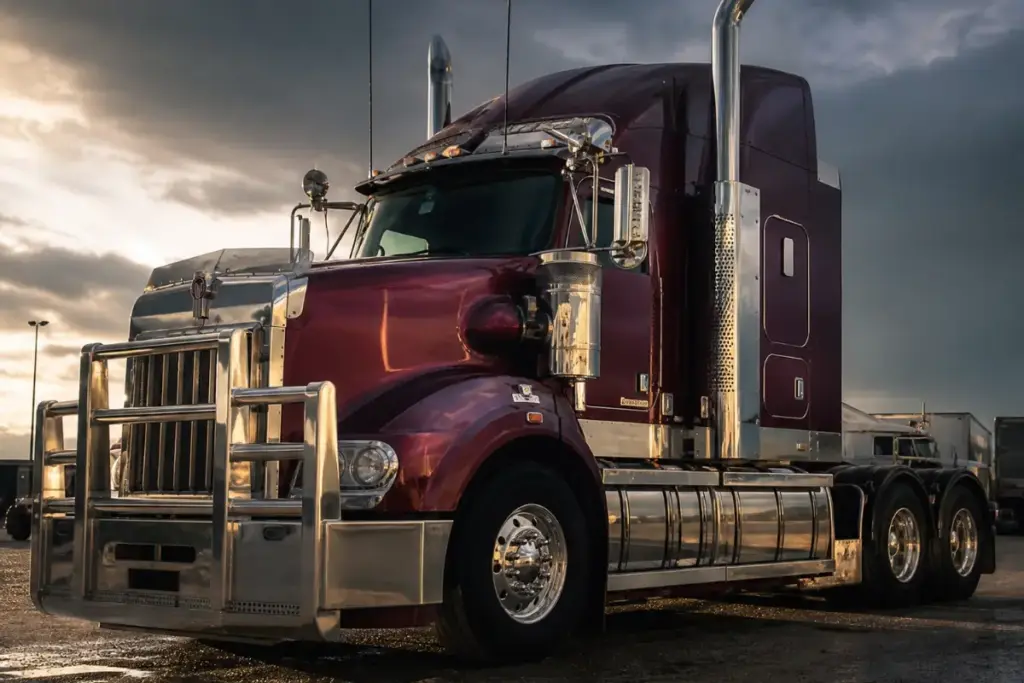
Harvest doesn’t wait eight weeks for grain payments. A broadacre grain producer needed $300K to cover harvest contractors, fuel and freight while the cooperative’s payment cycle did its thing. They owned a John Deere S780 combine harvester outright. ABL released the equity, fitted GPS tracking, and the header kept running through the harvest window. The header was the security. The crop came off on time.
The situation
Working capital for harvest. A short-term gap between the contractor and freight invoices that fall during the harvest window and the cooperative payment that lands eight weeks after grain delivery.
The producer owned a John Deere S780 combine harvester outright. Header at full tilt across the harvest window. Equity sitting in the machine, but the machine had to keep going until the crop was off.
This is what asset-based lending looks like at its simplest. A business owns an asset with equity in it. They need short-term cash. ABL releases the equity for the loan term, and the asset comes home on repayment. Same shape as a home equity loan, just with a different asset class.
The asset
A John Deere S780 combine harvester. Owned outright by the producer. Running through the harvest window at full utilisation.
For an asset-based lender, that’s enough to underwrite. The asset is the security, the business is the borrower, the deal doesn’t need a polished P&L to make sense.
The need
$300K for harvest contractors, fuel and freight. The kind of cash that has to land in days, not the six weeks a bank takes to look at a seasonal operation with lumpy income.
The structure
The deal went through as a Track It facility. $300K disbursed. Total loan amount was $324,000 with fees built in. A GPS tracking unit fitted to the header for the loan term.
The header stayed in the paddock. Same harvest, same contractor crew, same haulage schedule. ABL had visibility on the asset, the producer had cash for the invoices, the crop came off on time.
That’s the Track It structure. The asset stays in service across the loan term and the tracker comes off on repayment.
- Product: Track It
- Asset: John Deere S780 combine harvester, owned outright
- Disbursement: $300K
- Loan amount: $324,000 (includes fees)
- Use of funds: Working capital / harvest contractor and freight invoices
- Security: GPS tracker fitted, header remained in the paddock
The outcome
Funds in the producer’s account in time to pay the contractor and freight invoices. Header at full tilt, GPS confirming location, loan repaying out of grain payments as the cooperative cleared them. Crop off, suppliers paid, next season already on the planning board.
Harvest is no time to be short on contractor cash. The grain payment lands eight weeks after delivery. The header is at full tilt for those weeks. We can bridge that without anyone parking anything.
Why this deal worked
Three things had to be true for the deal to work. They’re the same three things every Track It deal needs:
- An asset with real equity, owned outright. The header wasn’t financed and nothing else was sitting against it. It could be secured cleanly without leaving the paddock.
- A short-term gap, not a long-term issue. The need was for a few months, not years. That’s the kind of bridge ABL is built for.
- The right product for the asset. Pulling the header off mid-harvest would have destroyed the crop revenue the loan was being repaid from. Track It kept the header running while the deal ran.
If your client runs a seasonal operation with a clear payment cycle, that’s an ABL conversation. The asset that does the seasonal work is the asset that can fund the gap before payment lands. Track It works when the asset has to stay in service to generate the income that repays the loan.
Related pages
The product, the audience hub, and the ABL View for this kind of deal.
Track It
Asset in service. Capital today. Built for deals where the asset has to keep earning while the loan runs, with a GPS unit fitted for visibility.
View Track It →For Brokers
How ABL works with finance and commercial brokers. The deals we take, the assets we lend against, how we structure when the numbers don’t immediately add up.
View page →What is Asset-Based Lending?
The complete Australian guide. How it works, what it costs, when to use it, how it compares to bank, cash flow and asset finance lending.
Read the guide →Got a producer bridging harvest to grain payment?
If your client owns the asset that does the seasonal work and needs to bridge contractor and freight invoices to the payment cycle, Track It is the structure. We release the equity, fit a tracker, and the asset keeps running. Free desktop valuation and a clear borrowing figure, all inside 2 hours. Same-day settlement when the asset is secured.